Annual Scientific Meeting
CTSI Annual Scientific Meeting
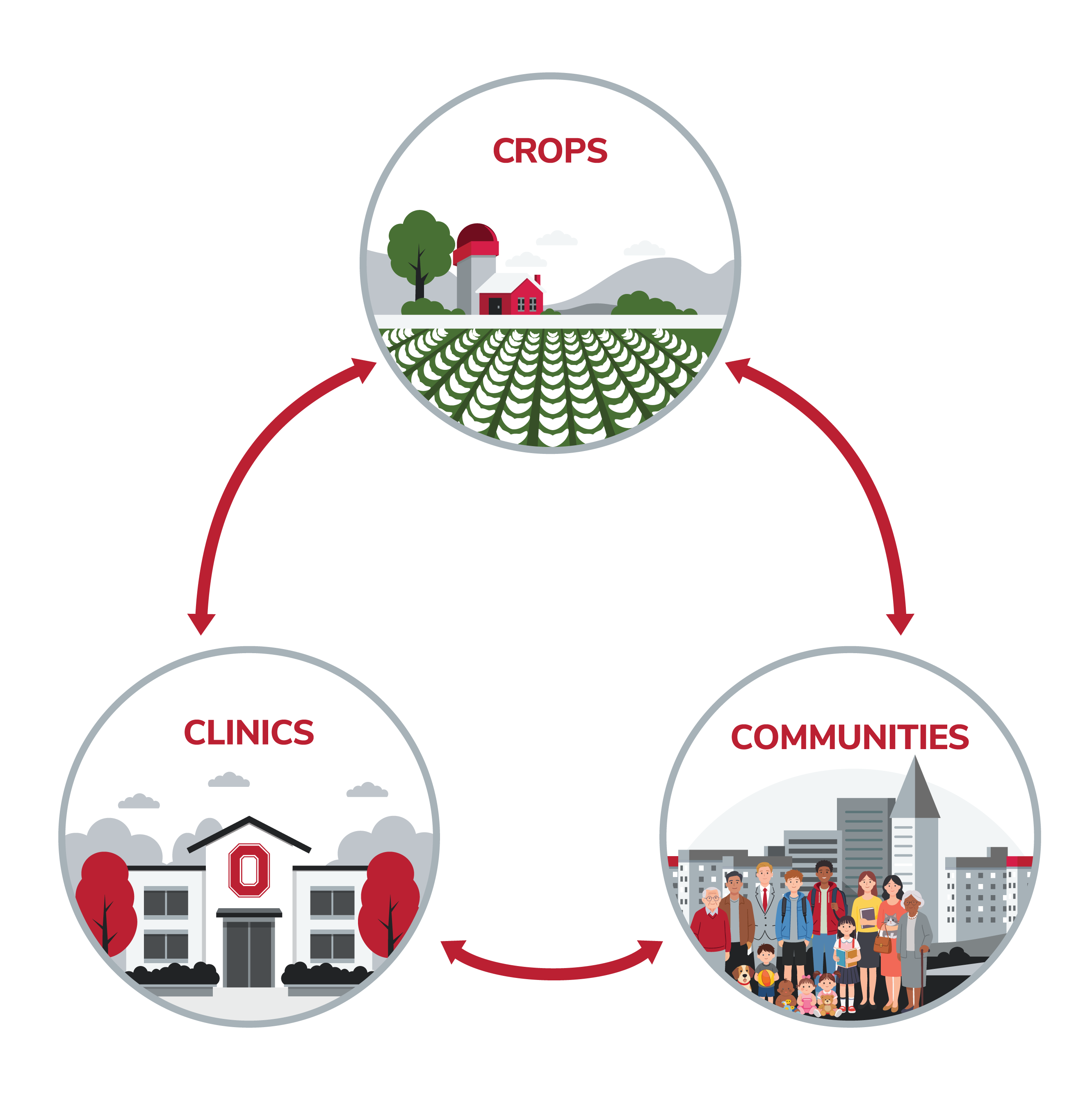
Nutrition and Chronic Disease Across the Translational Cycle: Connecting Crops, Clinics and Communities
December 8, 2026, 9 a.m. - 4:15 p.m., reception from 4:15 - 5:15 p.m.
Archie M. Griffin Grand Ballroom, Ohio Union
This year’s Annual Scientific Meeting will explore how nutrition influences health across the translational research continuum, highlighting the connections between crops, clinics and communities. Framed around the journey from agricultural and food science innovations to patient outcomes and population health, the meeting will examine how research, practice and partnerships can work together to address chronic disease and improve health across the lifespan.
The day begins by examining one of the most rapidly evolving areas in healthcare: nutrition, obesity and the emerging use of GLP-1s for chronic disease management. Expert presentations will explore the opportunities and challenges as well as unanswered questions surrounding these treatments.
A special leadership session with George Barrett, former CEO of Cardinal Health, will encourage attendees to consider how effective leadership, collaboration and professional development can accelerate the translation of research into meaningful health improvements.
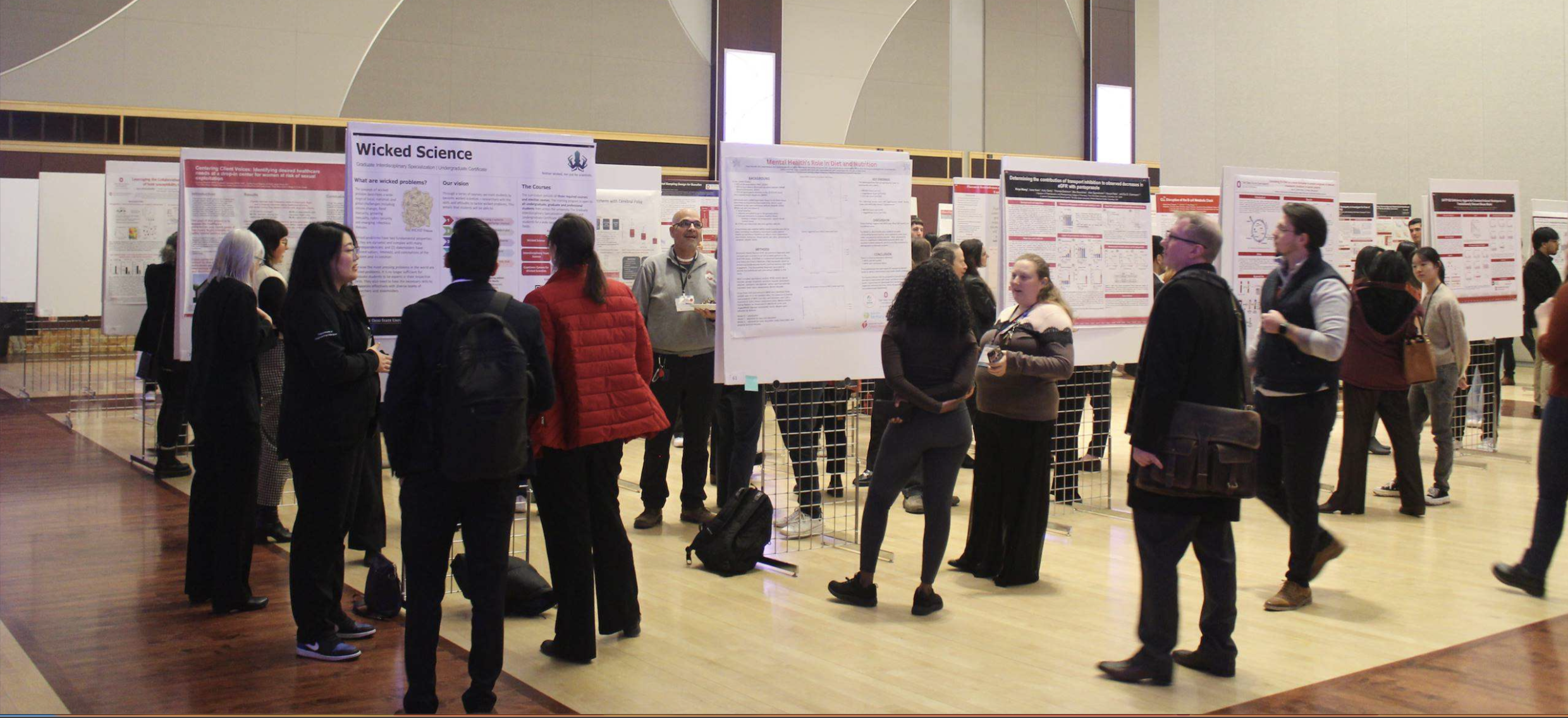
The ever-popular five-minute speed presentations will return for this year’s Annual Scientific Meeting with established faculty and early-career investigators showcasing the wide range of innovative research highlighting the breadth of translational science taking place across Ohio State. After a provided lunch and networking session, the first of two poster sessions will take place, creating opportunity for collaboration and exchange of ideas.
The afternoon session, Connecting Crops, Clinics and Communities, will follow the central theme of the meeting by tracing the path of nutrition research from discovery to implementation. Discussions will explore how advances in food science and agriculture can lead to clinical research, how evidence generated through clinical studies can shape approaches to disease prevention and treatment and how that knowledge can ultimately be translated into programs and interventions that improve community health. A concluding panel discussion will bring together perspectives from across this continuum to explore opportunities for future collaboration and impact.
A reception and second poster session will take place from 4:15–5:15 p.m., giving attendees additional opportunities to connect with colleagues across disciplines and explore the breadth of translational research and innovation being conducted across Ohio State and Nationwide Children’s Hospital.