Advancing today’s discoveries to improve health for all.

CTSI Translational Science Pilot Award RFA

CTSI Translational Science Pilot Award RFA

Please read all of the Request For Application instructions below before submitting your application.

The Clinical Translational Science Pilot Program (CTSP) at The Ohio State University’s Clinical and Translational Science Institute (CTSI), is now accepting applications for the 2026 CTSI Translational Science Pilot Award, funded through the NIH CTSA award. The goal of the Translational Science Pilot Award is to fund highly meritorious research for the development of preliminary data to enable researchers to be competitive in applying for extramural funding that advances clinical and translational science.

This request for applications (RFA) is designed to stimulate and support transformative, innovative, interdisciplinary studies that seek to advance team science, implementation science, inter-institutional partnerships and/or community partnerships through understanding and addressing the biological, behavioral, environmental, sociocultural and structural factors that influence chronic disease management. 

Successful translational science studies can emphasize specific clinical and translational research area, but must be designed to develop or test a translational science-directed hypothesis with potential for broader application that addresses a barrier to the progression of turning observations in the laboratory, clinic and community into interventions that improve the health of individuals or the population health. Through employing one or more translational science principles, a translational science-directed hypothesis should generate a scientific, operational, financial or administrative innovation that addresses longstanding challenges along the translational research pipeline, transforming the way that research is done, making it faster, more efficient and more impactful. For more information on translational science and the scientific and operational principles of translational science, please see Faupel-Badger JM, Vogel AL, Austin CP, Rutter JL. Advancing translational science education. Clin Transl Sci. 2022 Nov;15(11):2555-2566. PMID: 36045637.

In alignment with NIH priorities that include Executive Order 14212, which established the President’s Make America Healthy Again (MAHA) Commission, the CTSI is seeking applications for projects focused on chronic disease prevention and management. The CTSI invites proposals that address the root causes, early detection or innovative interventions for chronic conditions and their complications that affect children and/or adults. 

Projects may examine clinical and translational science questions for individual-level, community-level or structural determinants of chronic disease risk, including but not limited to diet and nutrition, physical activity, environmental exposures, medication and vaccine overuse, healthcare access and social determinants of health. Proposals that incorporate multidisciplinary, community-engaged or policy-informed approaches are encouraged, as are those that consider the life course, from early childhood through older adulthood.

CTSI Pilot funding is made available through the Clinical and Translational Science Awards (CTSA) program awarded to The Ohio State University by the National Center for Advancing Translational Sciences (NCATS). The NIH CTSA Funding Opportunity Announcement (PAR-21-293) stipulates that pilot studies funded through the CTSAs must be focused on translational science and understanding the scientific or operational principles underlying a step of the translational process, with the goal of developing generalizable solutions to accelerate translational research. 

The ultimate goal of this RFA is to strengthen efforts by The Ohio State University researchers in advancing clinical and translational science that aims to improve health for all. 

NIH rules require that CTSA pilot funding recipients may not have more than one year of funding under this mechanism (i.e. no cost extensions are not allowed), and thus proposals should clearly be achievable within 12 months. As such, investigators are encouraged to consider how proposing more than one aim impacts the feasibility of completing their work in the allocated timeframe. Feasibility for the work to be completed within 12 months will be an important review criterion. 

Eligibility Criteria

  • Applicants must have Principal Investigator (PI) status as defined by The Ohio State University or Nationwide Children’s Hospital.
  • Applicants have not received a CTSI pilot grant award or Clinical and Translational Science Research (CTSR) award within 24 months prior to the pre-application deadline September 19, 2025.
  • Proposal for preliminary research that can be completed within one year with a high probability of obtaining future external funding.
  • Development of new concepts, methods, technologies or research practices that drive and/or facilitate translational science beyond the research area of the proposal. Such proposals should clearly identify translational science challenges or barriers that their proposal addresses.

Application Requirements

A pre-application is required and must be submitted online through the REDCap form available here. The pre-application includes the following: 

  • 2026 CTSI Translation Science Pilot Award REDCap Application Form
  • Research plan – 1 page
  • PI(s) Biosketch(es)

A full application will be submitted through an online REDCap form by invitation only following successful completion of the pre-application. 

Application Review Process

The Ohio State CTSI participates in a national CTSA External Reviewer Exchange Consortium (CEREC) to improve fairness in the scientific review process and better match applicants with feedback from experts in their respective fields. Trained patient and community reviewers are also included in the grant review process. In submitting an application, you agree to allow reviewers external to The Ohio State University and Nationwide Children’s Hospital to access to your application materials.

Funding

$25,000 - $35,000 in direct costs can be budgeted for the 12 month project. No cost extensions are not allowed, thus unspent pilot funds by 12 months will not be available for further research. Salary support for faculty may be requested under the following guidelines:

  • Assistant Professor 10% effort up to NIH CAP
  • Associate professor 5% effort up to NIH CAP
  • Full professor 2.5% effort up to NIH CAP

Graduate student and technician support, as well as laboratory supplies, are permitted. Notification of awards will be made no later than January 31, 2026. Funds will be available for the next fiscal year, 08/01/2026 to 07/31/2027, to conduct the proposed research. Funds will not be available after 7/31/2027. 

Support for dissemination of validated methods across the regional and national CTSA networks for broader translational science impact will be provided to awardees.

Additional Important Information

If the study meets human subject research criteria, IRB approval documentation is required for NCATS Prior Approval Submission. IRB submission must be submitted by March 13, 2026, or the offer for funding will be withdrawn.

Full applications will be sent to 1-2 external reviewers with expertise in the subject matter. All applications will be scored on each of the review criteria using NIH 9 point scale along with written reviews. Full proposals will be subject to a NIH-type study section assessment and interactive discussion based on the submitted written feedback from external reviewers, institutional context and the overall relevance to the mission of the CTSI.

Contact Info

Jasmine Neal, MPH

Program Manager of theClinical and Translational Science Pilot (CTSP) Program

Matthew Ringel, MD

Co-Director of CTSI Clinical and Translational Science Pilot (CTSP) Program

Henry Xiang, MD, MPH, PhD, MBA

Co-Director of CTSI Clinical and Translational Science Pilot (CTSP) Program

Info Session - CTSI Predoctoral T32 Mentored Research Training Program

LifeScale

person reviewing data on a computer

LifeScale

A Unified Platform for Clinical Data Research

Why is LifeScale unique?

Comprehensive Patient View: LifeScale provides a more comprehensive view of a patient’s health, over their lifespan, by linking clinical experiences across institutions, enabling improved discovery on children traversing our systems of care as well as linking data between mother and child.

Accelerated Biomedical Discovery: LifeScale presents data and tools in a common framework that aligns across the research to operations translational gap to accelerate the process of finding new biomedical insights.

Secure Collaboration Environment: LifeScale offers a secure, cloud-based workspace where researchers can collaborate and share their work within this unified, protected environment.

Scalable Computing Power: Researchers can access computing resources that quickly scale to fit their needs, regardless of the size of data or analytic approaches involved allowing for state of the art analysis and tooling.

Privacy-preserving data democratization: Rather than curating data, LifeScale focuses on data transparency within a human-subjects protecting framework removing procedural hurdles that often slow down research.

LifeScale is a cloud-based, secure analytics platform that integrates longitudinal clinical, social and behavioral data with elastic, high-performance compute resources to accelerate biomedical discovery. Developed through a partnership among The Ohio State University College of Medicine, the Clinical and Translational Science Institute, The Ohio State University Wexner Medical Center and Nationwide Children’s Hospital. LifeScale aims to lower the procedural and technical barriers to biomedical discovery by streamlining researchers’ ability to engage with comprehensive patient data in a secure analytic compute environment. LifeScale addresses two key challenges in the analysis of clinical data: it streamlines access to a rich corpus of clinical data and it provides a secure unified high-performance computing environment for working with those data.

LifeScale supports discovery by providing access under the LifeScale Repository Protocol to a lifespan-linked data set with coded identifiers (“coded limited data set”) that connects disparate health domains (e.g., patient electronic health information, area-level social determinants of health, etc.) over time to form a 360-degree view of the patient. These data constitute LifeScale Core Data that include electronic medical record data from The Ohio State University Wexner Medical Center and Nationwide Children's Hospital and area-level social determinants of health from the Ohio Opportunity Index and Ohio Children’s Opportunity Index.

LifeScale provides access to these data in a cloud-based elastic compute environment, allowing research teams to perform data preparation and analysis with resources that scale to various needs. All analyses are conducted within the LifeScale Unified Platform, using its integrated tools via Databricks. Collaboration features are built into the platform.

Key features include:

  • The ability to use structured clinical data across time
  • Integration of social, clinical and behavioral data sources
  • A secure cloud workspace for collaboration
  • The capability to analyze large datasets using R, Python, SQL or Scala

Contact and Citation

  • For help or consultation, email the LifeScale Onboarding Team at lifescale@osumc.edu.
  • Any scholarly products resulting from the use of LifeScale requires citation of The Ohio State University Clinical and Translational Science Institute NCATS CTSA UM1 Award.

Launch to R

LaunchtoR

Launch to R Grant Writing Workshop

The Launch to R Grant Writing Workshop offers a structured, step-by-step path to developing a competitive NIH R01 grant, culminating in a Mock Study Section.

The Launch to R Grant Writing Workshop from the Clinical and Translational Science Institute provides a structured, interactive experience for faculty to facilitate preparation of an initial R01 grant. Over the course of the workshop, participants will write their grant, section by section and receive peer and expert review on each part. 

The program is open to anyone who is ready to write an NIH R01 grant and will accept up to eight applicants. The program concludes with a Mock Study Section. 

The workshop will meet in person from 2 to 4:30 p.m. at the CTSI in Prior Hall every two weeks from September 2 to December 16, 2025. 

Full Schedule

September 2, 2025: Session 1 - Introduction Session

September 16, 2025: Session 2 - Aims

September 30, 2025: Session 3 - Aims v. 2; start talk about Significance and Innovation

October 14, 2025: Session 4 - Significance/Innovation

October 28, 2025: Session 5 - Approach

November 10, 2025: Session 6 - Approach v. 2

November 25, 2025: Session 7 - Budget Justification/Biosketch

December 2, 2025: Grant due

December 16, 2025: Session 8 - Mock Study Session

Questions?

NASEM Community Lecture and Discussion: Supporting Caregivers in STEMM

RAPTIC Application Process and Schedule

RAPTIC logo

RAPTIC

RAPTIC supports faculty doing innovative research in the medical, health or biomedical fields. 

FY27 Cohort - Now Accepting Applications!

Applications are open for the RAPTIC (Research Accelerator Program to Translate, Innovate and Commercialize) FY27 cohort. All faculty doing innovation research in the health/medical sciences are invited to apply.  There are 3 phases to the program, which are detailed in the application form.

The Mission of RAPTIC is to facilitate and accelerate progress in translational and clinical research at Ohio State by increasing awareness of and access to key resources and training, in order to identify and realize innovative ideas with applications that can be protected by intellectual property (IP), funded, commercialized and implemented in healthcare or biomedical settings. 

Applications are due by May 30, 2026.  Faculty not accepted into the program are still welcome to register to attend individual learning sessions, which will be held monthly from September 2026-May 2027.  A calendar and registration link will go live in June 2026.

Please email completed application forms, or any questions about RAPTIC, to program founder Dr. Kristy Townsend as a single PDF with your current CV or NIH-style biosketch.

Please use the email subject line: RAPTIC application

Learning Sessions FY27 - Coming Soon

Registration is open to participating college faculty for the RAPTIC Learning Sessions, held in-person monthly from September 2026 - May 2027.  

The Mission of RAPTIC is to facilitate and accelerate progress in translational and clinical research at Ohio State by increasing awareness of and access to key resources and training, in order to identify and realize innovative ideas with applications that can be protected by IP, funded, commercialized and implemented in healthcare or biomedical settings. Applications are open now for participants in participating colleges and for two scholarship seats in non-participating colleges. Please contact program founder Dr. Kristy Townsend with any questions.

“I’m afraid for this to end. I was able to get ideas in the group coaching setting and then execute it in my 1:1 research coaching sessions.”

RAPTIC Pilot Cohort Participant

RAPTIC Program Overview and History

RAPTIC logo

RAPTIC

RAPTIC supports faculty doing innovative research in the medical, health or biomedical fields. 

“I could not have gotten this intramural research award had I not participated in RAPTIC.”

RAPTIC Pilot Cohort Participant

History of RAPTIC

A Brief Timeline

RAPTIC Creation

2022
RAPTIC was created by Kristy Townsend, Ph.D., College of Medicine. RAPTIC was developed to support access in research and IP/commercialization work, by providing a framework of: 1) peer-trained research coaches to enable support and accountability that accelerates progress and success for faculty research programs, and 2) custom learning content generated with RAPTIC and its partners to fill gaps in research, innovation, IP and commercialization trainings and resource dissemination.

Pilot Cohort

2023-2024
RAPTIC ran two pilot cohorts in 2023 and 2024 with participant from the College of Medicine and Nationwide Children's Hospital with the co-leadership of Dr. Carolyn Presley. Two participants from the pilot cohort credited the coaching and skills gained through RAPTIC as instrumental in securing their first intramural funding awards.

Expansion of Program

2025
RAPTIC is expanding its reach to include all faculty and research teams working in health, medicine, and biomedical fields across the university. In 2025, new strategic partnerships were established with the Clinical and Translational Science Institute (Dr. Julie Johnson), Health Science Innovation (HSI)/ERIK (Dr. Paco Herson), The Ohio State University Wexner Medical Center, and other key collaborators. Five colleges officially joined as partners this year: the College of Medicine, College of Engineering, College of Veterinary Medicine, College of Pharmacy and the College of Education and Human Development.

“I would have never known I had a product to commercialize if I hadn’t done RAPTIC, now I am teaching full professors that they have IP of their own to protect that they weren’t aware of, and I connected them to a license officer.”

RAPTIC Pilot Cohort Participant

RAPTIC Leadership and Coaches

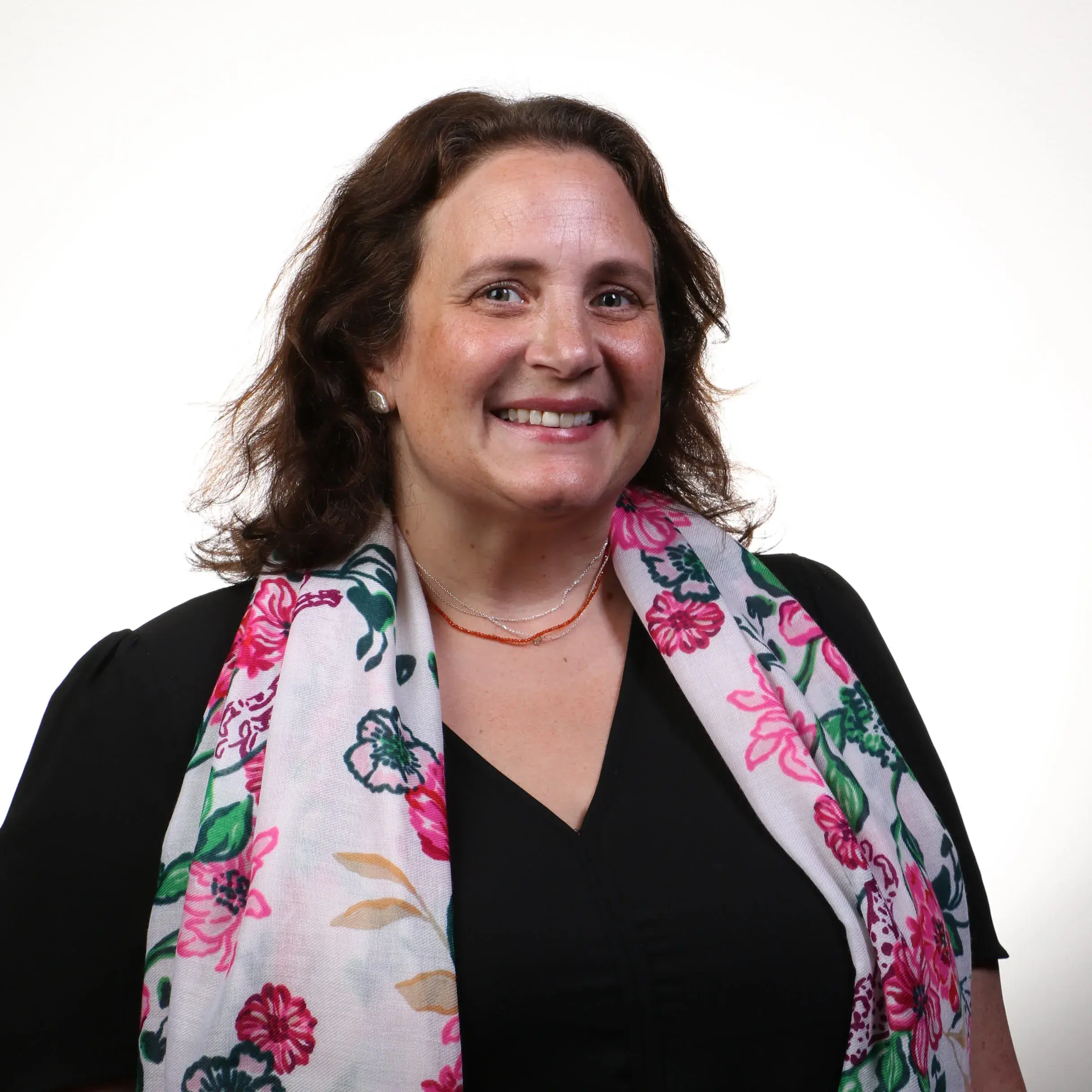
Kristy Townsend
Dr. Kristy Townsend
RAPTIC Founder/Head
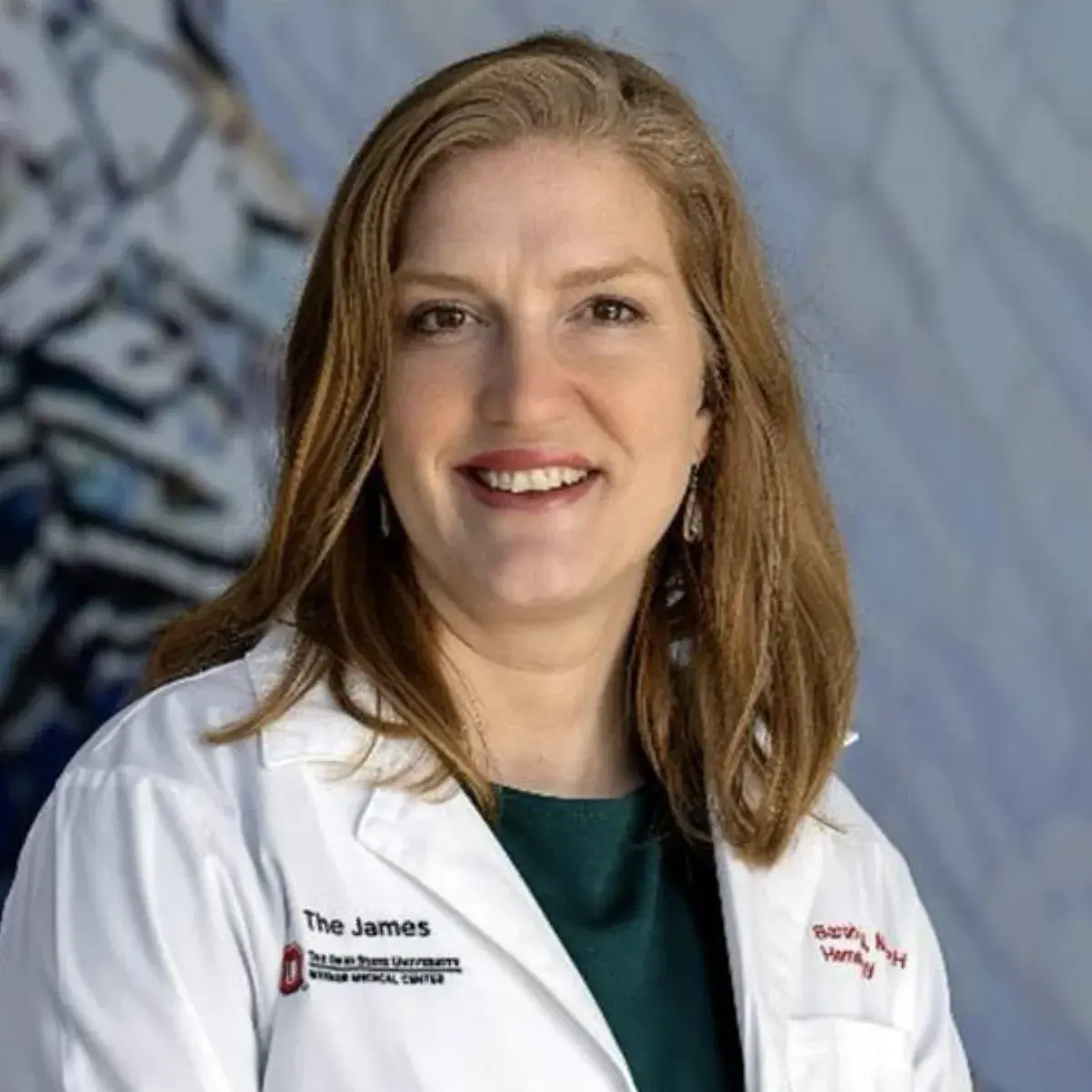
Dr. Carolyn Presley
Dr. Carolyn Presley
Phase 1 Coaching Director

RAPTIC Advisors

Paco Herson
Dr. Paco Herson
Associate Vice President for Health Sciences Innovation
Julie Johnson, PharmD headshot
Dr. Julie Johnson
Clinical and Translational Science Institute

Program Support from the following:

  • Clinical and Translational Science Institute
  • Health Sciences Innovation
  • College of Medicine
  • College of Education and Human Ecology
  • College of Engineering
  • College of Pharmacy
  • College of Veterinary Medicine


Spark Awards RFA

Please read all of the Spark Awards RFA instructions below before submitting your application.

CTSI will award Spark Awards to Ohio State and Nationwide Children's Hospital investigators worth up to $3,000. CTSI will award up to $5,000 for projects involving researchers from two different Ohio State colleges or a collaboration between Ohio State and Nationwide Children’s investigators.

To Apply for a Spark Award

  1. Complete a MyCTSI Profile
  2. Contact the core service for a cost calculation (quote/estimate) and upload it as a PDF with you application.
    1. You are required to contact the core service provider and work collaboratively to obtain the quote. 
    2. The personnel who helped you must be listed on the intake form. 
  3. Complete the Spark Awards application form. Make sure to answer all questions and attach the PDF of your cost calculation.

Eligibility

Eligible Investigators must meet the following criteria:

Applicants must be early to mid-stage career level.

  • Post-Doctoral Fellow (academic track)
  • Fellow Physicians
  • Instructor, Assistant Professor
  • Associate Professor, less than two years of appointment at Ohio State/Nationwide Children’s Hospital
  • Research Scientists 

Applicants must be IRB approved as key personnel or investigator to work on the protocol.

Spark awardees may receive only one Spark award (single or collaborative) per funding cycle. A new funding cycle will start no earlier than August 1 of each subsequent year.

Projects must fall into one of these categories

  • Clinical research
  • Clinical implementation
  • Public health

Ineligibility

Before applying, please review the following restrictions to ensure your role, project type and requested services meet eligibility criteria. The following are not eligible for Spark Award consideration:

Ineligible Roles

  • Students (undergraduate, graduate and medical)
  • Residents
  • Research managers

CTSI Previously Funded Investigators

  • Individuals currently funded by CTSI mechanisms (K, T, Pilot, Element E)
  • Researchers who have already received a Spark Award during this funding cycle

Ineligible Project Categories

  • Basic science
  • Pre-clinical research
  • Animal model studies

Unsupported Core Services

  • Core services not explicitly listed in the table below
  • Services involving animal models, biomarker testing or genomic research

Other Important Details:

  • If applicable, Projects must have IRB approval before funds are disbursed. 
  • Applicants must satisfy all IRB requirements, including required training and reporting of conflicts of interest. 
  • You must be approved by the IRB to work on the protocol. 
  • Applications are reviewed on a rolling basis, with funding decisions provided within four weeks.
  • Applications are reviewed for eligibility, completeness, feasibility to complete within the required time frames, and scientific merit. Revisions or clarifications may be requested by the program. 
  • Awarded services must be completed by July 31, 2026. Final invoices must be received by August 31, 2026. 
  • Awardees must complete a post-award survey about related publications, abstracts and/or grant submissions/awards.
  • Awards may include funding from more than one core service for a single project.
  • Research must be conducted within the US.
  • Awardees must be in good standing with CTSI (compliant with citing all publications and requirements of past CTSI funding).

For more information:

Subscribe to